Part I: Breaking Stereotypes
Artificial Intelligence is often imagined in the buzzing offices of tech giants, glass towers, and neon-lit startup hubs. The narrative usually points to Berlin, Munich, or Silicon Valley. Yet, reality is broader: innovation is not the private domain of metropolises.
Take the Emsland, a region in northwest Germany. Better known for farmland, heavy industry, and river landscapes, it is now quietly reinventing itself as a digital pioneer. Here, AI is not futuristic jargon but a tool in the service of farmers, manufacturers, logistics providers, and local administrations.
This shift raises a crucial question: Can rural areas, long overshadowed by urban innovation centres, become laboratories for the technologies that will define tomorrow? The Emsland answers with a confident yes.
Part II: Why Rural Innovation Works
At first glance, the Emsland might seem like unlikely ground for high-tech. Yet three factors transform it into fertile soil for digital transformation:
- A strong industrial and agricultural foundation – Both sectors demand efficiency and precision, making them natural candidates for AI adoption.
- Small and medium-sized enterprises (SMEs) – They seek practical, affordable tools, creating a real-world test environment.
- Collaboration across sectors – Networks between academia, politics, and business accelerate experimentation.
This mix means that while big cities often chase headlines, rural regions like the Emsland quietly produce solutions with direct, everyday impact.
Part III: The Economic Landscape
Emsland’s economy is a diverse blend:
- Agriculture remains dominant, but faces pressures from climate change and global markets.
- Industry thrives in machinery, energy, and chemicals.
- Logistics benefits from the region’s central transport links.
- Public administration must modernise services for citizens.
AI acts as a cross-sector catalyst, linking these areas into a broader innovation ecosystem.
Part IV: AI in Action – Four Domains
1. Smart Farming
Farmers deploy drones to scan fields, producing data-driven harvest predictions. Intelligent irrigation systems adjust automatically to weather shifts. Sensors track soil and animal health in real time. Robots perform delicate harvesting tasks, cutting waste and saving water.
2. Smart Industry
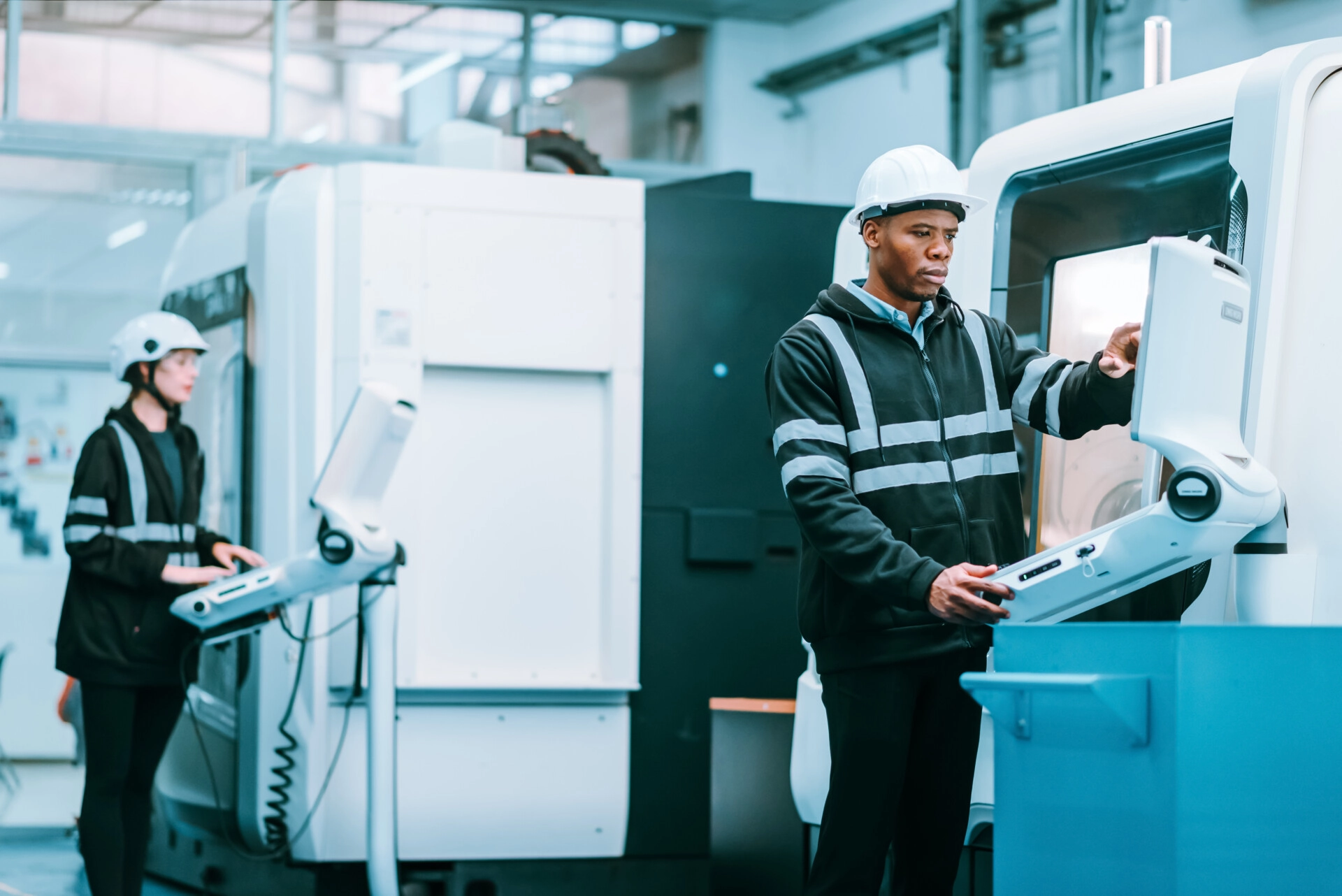
Factories are moving beyond reactive maintenance. Predictive models spot potential failures before they happen. Digital twins simulate machinery behaviour, streamlining design. Cameras powered by AI detect microscopic defects invisible to the human eye. Robot systems complement workers, raising productivity without replacing people.
3. Smart Logistics
As a logistics hub, the Emsland faces constant challenges: fuel costs, emissions, and delivery delays. AI addresses them:
- Algorithms optimise transport routes.
- Self-driving vehicles move goods inside warehouses.
- Freight hubs use dynamic capacity management.
- AI anticipates risks in supply chains, from weather to geopolitical disruptions.
4. Smart Government
Local administrations apply AI to improve services. Chatbots respond to citizen queries. Automated processes shorten waiting times. Infrastructure sensors detect road or bridge damage instantly. Data-driven traffic planning reduces congestion and supports greener transport strategies.
Part V: Networks and Partnerships
No single company or institution can drive such a transformation. Collaboration is the engine.
The Digital Innovation Hub Emsland organises hackathons, pilot projects, and workshops. It brings students, SMEs, and established companies together. The culture here is pragmatic: AI is not about abstract futures but solving today’s challenges.
Part VI: The Start-up Spark
While traditional industries anchor the region, start-ups inject new momentum. Young firms design AI-based apps for precision farming, logistics optimisation, or industrial analytics.
Support comes from the IT Center Lingen and regional networks that offer mentorship, financing opportunities, and spaces for experimentation. This environment makes it easier for start-ups to survive the early stages and scale their ideas into profitable businesses.
Part VII: Obstacles for SMEs
Of course, transformation is not without friction. Small and medium-sized companies face:
- Limited financial resources – Large-scale investments in AI can be daunting.
- Shortage of specialists – Recruiting skilled AI professionals remains tough.
- Data challenges – Many businesses lack clear strategies for handling or analysing data.
- Resistance to change – Fear of disruption slows down adoption.
These hurdles explain why enthusiasm alone does not translate into seamless integration.
Part VIII: The Support Framework
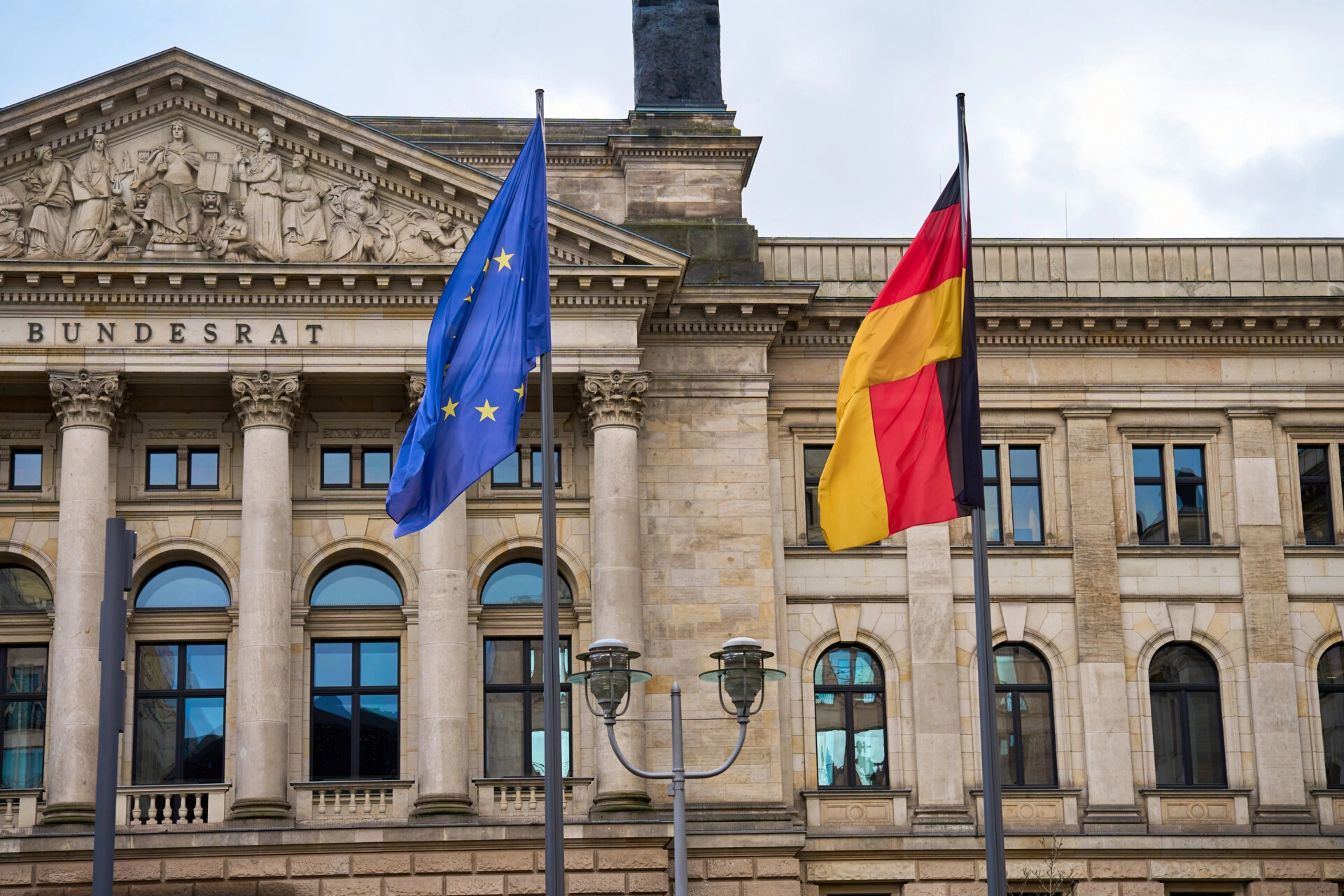
To help SMEs, regional and national institutions have created an extensive support network.
Funding Programs
- INDUSTR_I4.0 provides up to €50,000 for digital transformation projects.
- Mittelstand-Digital offers free nationwide resources.
- Local offices in Lingen and Meppen guide businesses through funding applications.
Consulting and Networks
Workshops, conferences, and branch-specific networks connect businesses with experts. By showcasing case studies, abstract technologies become tangible.
Education and Skills
Universities cooperate with industry to train future professionals. Companies can upskill their staff through short courses or certifications. Demonstration projects showcase working examples, making AI easier to understand.
Part IX: Looking Ahead
The path is clear:
- Automation helps counter labour shortages.
- Digital governance improves efficiency for citizens.
- Sustainability benefits from optimised energy and fewer emissions.
- Competitiveness grows as SMEs scale faster.
- Regional appeal strengthens, making the Emsland attractive for talent and investors.
AI does not replace human work; it augments it. Freed from routine tasks, employees can focus on creativity, problem-solving, and innovation.
Part X: A Local Player with Global Reach – Linvelo
Among the actors shaping this transformation, Linvelo deserves special attention. Rooted in the Emsland, the company develops digital solutions and strategies.
Their services range from consulting to app development, with a clear goal: making technology practical and accessible. With more than ten years in business, a team of 70+ specialists, and a strong sustainability commitment, Linvelo bridges the gap between cutting-edge technology and real-world application.
“We believe technology should simplify life, not complicate it. Our role is to ensure companies reap measurable benefits from digital solutions.”
— Oleksandr Kotsyuba, CEO of Linvelo
Part XI: The Emsland Model
What makes the Emsland remarkable is not its size or resources, but its mindset. By weaving together agriculture, industry, logistics, governance, start-ups, and established firms, it has created a living laboratory for artificial intelligence.
The lesson is clear: Innovation is not confined to capitals or global cities. A rural region, if organised, collaborative, and open to change, can become just as influential.
Frequently Asked Questions
Why is Emsland relevant for AI development?
Because it combines strong industries, practical challenges, and a culture of collaboration, it creates fertile ground for digital transformation.
Which sectors use AI here?
Agriculture, industry, logistics, and government all integrate AI.
What are the main challenges SMEs face?
Financial limits, lack of experts, data management gaps, and scepticism toward change.
How are these issues addressed?
Through funding, networks, training programs, and hands-on pilot projects.
What benefits will AI bring in the future?
Efficiency, sustainability, competitiveness, and improved quality of life in the region.